Can check engine light come on for low oil levels
Understand if low oil can trigger the check engine light and how to monitor your vehicle to prevent potential engine problems.
LATEST INSIGHTSQUICK TIPS
OilChoices Team
3/22/202614 min read
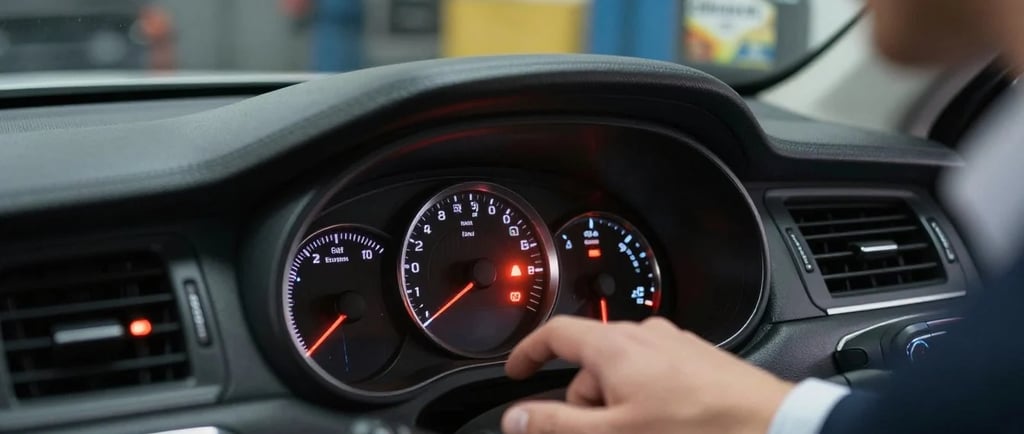
Seeing a dashboard warning symbol can make drivers very anxious. You might wonder if a can check engine light come on for low oil scenario is possible. While many people assume these alerts strictly monitor mechanical failures, fluid levels play a vital role in vehicle health.
Sometimes, you may notice a check engine light after oil change event. This occurrence often confuses owners who expect their vehicle to run perfectly following routine maintenance. Understanding the relationship between your lubrication system and electronic sensors helps you maintain peak performance.
This guide explores why these indicators activate and how you should respond. We will examine common diagnostic steps to ensure your car remains safe on the road. Proper knowledge empowers you to address minor issues before they escalate into expensive repairs.
Key Takeaways
Low fluid levels rarely trigger the primary malfunction indicator directly.
Sensors often detect pressure drops, not volume shortages.
A dashboard alert following maintenance usually signals a loose cap or sensor error.
Always verify your dipstick reading when warning symbols appear.
Professional diagnostics provide the most accurate assessment of internal faults.
Understanding the Relationship Between Oil Levels and Dashboard Lights
The connection between oil levels and dashboard lights is quite complex. Your car's dashboard has many warning lights. These lights alert you to possible problems. The oil pressure light and the check engine light are key when talking about oil levels.
Distinguishing Between the Oil Pressure Light and the Check Engine Light
The oil pressure light is linked to your engine's oil pressure. It turns on when the pressure falls too low. This means your engine might not be getting enough oil.
The check engine light is more general. It can light up for many reasons, like a loose gas cap or a bad oxygen sensor. While the oil pressure light warns of oil issues, the check engine light needs more checking to find the problem.
Why Modern Vehicles Use Different Warning Systems
Modern cars have different warning lights for a reason. They help you understand what's wrong quickly. For example, the oil pressure light is red and serious. It tells you to stop the car right away.
The check engine light, usually yellow or orange, is less urgent. But it's important to check it soon. This way, you know how quickly to act based on the problem's severity.
Knowing what each light means is key to keeping your car in good shape. It helps you fix problems fast, like checking oil levels or getting a mechanic's help. This way, you avoid bigger issues down the road.
Can check engine light come on for low oil
Modern cars have systems that can spot low oil and turn on warning lights, like the check engine light. These systems aim to warn you of possible issues before they get worse.
How Low Oil Affects Engine Sensors
Low oil can really hurt your engine's performance and life. It can mess with how engine sensors work. For example, the oil pressure sensor checks the oil's pressure in the engine. If the oil is too low, the pressure drops, and the sensor alerts the engine control unit (ECU).
The ECU might turn on the check engine light if it sees a problem that could harm the engine. Engine sensors are key in checking the engine's health and telling the ECU about any problems. Some important sensors affected by low oil include:
Oil pressure sensor
Crankshaft position sensor
Camshaft position sensor
These sensors help the engine run smoothly and well. But, low oil can make them malfunction or give wrong readings, causing the check engine light to turn on.
The Role of Variable Valve Timing Systems
Variable Valve Timing (VVT) systems are vital in today's engines. They help the engine perform better by adjusting valve timing. The VVT system needs engine oil to work right, using oil pressure to adjust timing.
Low oil can mess with the VVT system. If the oil pressure is too low, the VVT system might not work right. This can lead to poor engine performance and the check engine light coming on.
It's important to understand how oil levels, engine sensors, and systems like VVT work together. Keeping an eye on your oil level and fixing any problems quickly can help avoid the check engine light.
Step-by-Step Guide to Checking Your Oil Level
To keep your engine running well, it's key to know how to check your oil level right. This easy task can stop engine damage and make your car last longer.
Preparing Your Vehicle for an Accurate Reading
First, park your car on a flat surface. This makes sure the oil level reading is correct. Turn off the engine and wait a few minutes for the oil to settle back into the pan.
Make sure your car is ready for a precise reading. It should be on a level surface and the engine should be off.
Locating and Using the Dipstick
The dipstick is usually marked "Oil" or has an oil can symbol. Pull it out and clean it with a lint-free cloth or paper towel. Put the dipstick back in and pull it out again for a precise reading.
Check the dipstick's oil level against the "MIN" and "MAX" marks. It should be between these levels.
Interpreting Oil Color and Consistency
The color and feel of your engine oil tell a lot about your engine's health. Fresh oil is usually light brown or amber. Dirty oil might look dark or black. If the oil feels gritty or has debris, your engine might be wearing out or contaminated.
Look at the dipstick to check the oil's consistency. If it's too thick or sludgy, it might not lubricate well. If it's too thin, it might not protect your engine enough.
Troubleshooting a Check Engine Light After Oil Change
When the check engine light comes on after an oil change, it usually means a simple problem. This can happen for many reasons related to the oil change.
Common Mistakes During DIY Oil Changes
Mistakes during DIY oil changes can cause the check engine light to turn on. Failing to properly tighten the oil drain plug or over-tightening it can lead to issues. Not replacing the oil filter correctly or using the wrong type of oil filter can also trigger the light.
"According to a study by the Car Care Council, improper DIY maintenance is one of the leading causes of check engine light activation." This shows how important it is to follow the right steps during an oil change.
Loose Oil Filler Caps and Vacuum Leaks
A loose oil filler cap is another common mistake. The cap seals the oil filler neck. If it's not tightened right, it can cause evaporative emission control system issues. Vacuum leaks from damaged or loose hoses during the oil change can also turn on the light.
Sensor Disconnection During Maintenance
Sensors or wiring connected to the engine management system can get accidentally disconnected or damaged during an oil change. This can cause the check engine light to come on. It's important to make sure all connections are secure and no sensors are disturbed during maintenance.
By understanding these common issues, you can troubleshoot and possibly fix the problem causing your check engine light to come on after an oil change.
Addressing Engine Light On After Oil Change Scenarios
When the check engine light stays on after an oil change, it's important to find out why. This can be really frustrating, even after getting your oil changed. There are a few reasons why this might happen, and knowing them can help fix the problem.
Resetting the Maintenance Required Light
Sometimes, the check engine light turns on because of a maintenance required indicator. This is common in cars with a maintenance light that looks like the check engine light. To fix this, you need to follow a specific step in your car's manual. This usually involves pressing certain buttons on the dashboard or using a special tool.
Resetting the maintenance required light is a simple task. But if you're not sure how, it's best to check your manual or talk to a mechanic.
Verifying Oil Filter Installation
Another reason for the check engine light after an oil change is a bad oil filter installation. If the oil filter is not tightened right or is damaged, it can cause the light to come on. Make sure the oil filter is correctly installed and tightened as the manual says.
It's also important to use the right oil filter for your car. The wrong one can cause problems and turn on the check engine light. Always check your manual or ask a mechanic if you're not sure about the right oil filter.
By fixing these common problems, you can usually get the check engine light to go away after an oil change. But if it doesn't, you might need to use an OBD-II scanner to find out what's wrong.
Can Low Oil Cause Check Engine Light Activation Through Pressure Drops
Low oil levels can lead to pressure drops that turn on the check engine light. The engine needs oil to run smoothly. Without enough oil, it can face many problems.
Low oil levels cause a drop in oil pressure. This change is detected by the oil pressure sensor. It talks to the Engine Control Unit (ECU).
How Oil Pressure Sensors Communicate with the ECU
Oil pressure sensors watch the engine oil's pressure. They send signals to the ECU. The ECU checks if the pressure is okay.
If the pressure is too low, the ECU turns on the check engine light. This warning is key for engine safety. It tells the driver about possible problems.
The oil pressure sensor monitors the engine's oil pressure.
It sends signals to the ECU for interpretation.
If the pressure is too low, the ECU can activate the check engine light.
The Danger of Driving with Low Oil Pressure
Driving with low oil pressure harms your engine. It can cause parts to rub together, overheat, and even fail.
Not fixing the check engine light for low oil can cost a lot. You should check the oil level and look for leaks. Make sure the oil is at the right level.
Keeping oil pressure up is key for your engine's life. Regular checks and maintenance can stop low oil problems. This prevents the check engine light from coming on.
Common Causes for a Check Engine Light Beyond Oil Levels
The check engine light can light up for many reasons, not just low oil. It turns on when your car's computer finds a problem. This light is a warning that you need to check something important.
Faulty Oxygen Sensors and Catalytic Converters
A bad oxygen sensor can turn on the check engine light. These sensors check the exhaust's oxygen levels and send info to the engine computer. If they fail, your car might not run right or use fuel well.
Catalytic converters are also a big cause. They make your car's emissions cleaner. But, if they get clogged or break, they can make your car run poorly and light up the check engine light.
Mass Airflow Sensor Issues
The Mass Airflow Sensor (MAF) checks how much air goes into your engine. If it's dirty or broken, your engine might use too much or too little fuel. This can make your car run badly and light up the check engine light. Cleaning or replacing the MAF sensor can fix this.
Loose Gas Caps and Evaporative Emission Systems
A loose or damaged gas cap can also cause the check engine light to come on. It affects the evaporative emission control (EVAP) system, which keeps fuel vapors from escaping. A loose cap can cause a leak, making the ECU turn on the light. Tightening your gas cap can solve this problem.
As cars get more advanced, knowing why the check engine light comes on is key. Fixing these problems quickly can stop bigger issues from happening.
How to Safely Inspect Your Engine for Leaks
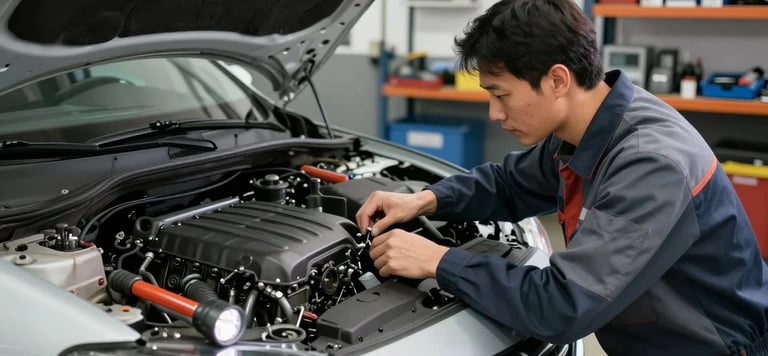
Checking your engine for leaks is key to keeping your car in good shape, after an oil change. Leaks can cause serious damage if not fixed quickly.
First, know where leaks usually happen and how to spot them. You can see external oil leaks with your eyes.
Identifying Signs of External Oil Leaks
Leaks show up in different ways. Look for oil dripping or spraying from the engine. Check the oil drain plug, oil filter, and valve cover gasket.
Check the oil drain plug for any signs of leakage.
Inspect the oil filter for any damage or improper installation.
Examine the valve cover gasket for any signs of wear or damage.
Checking Under the Vehicle for Puddles
Looking under your car for puddles is a simple way to find leaks. Park your vehicle on a clean, dry surface and let it sit for a few hours or overnight. If you see oil puddles under the engine, it might mean there's a leak.
Inspecting the Valve Cover Gasket
The valve cover gasket often leaks. Look for wear, damage, or decay. A leaky valve cover gasket can spill oil onto other parts, causing bigger problems.
Find the valve cover gasket and look at it closely.
See if there's oil leaking around the gasket.
Make any loose bolts tighter or replace the gasket if needed.
Regularly checking for leaks can stop engine damage and keep your car running well. If you're not sure how to check or find a leak, get help from a mechanic.
Using an OBD-II Scanner to Diagnose the Warning
When your check engine light comes on, an OBD-II scanner is key. It can find many problems, like oil change or low oil issues. This tool reads codes from your car's computer to show what's wrong.
Connecting the Scanner to Your Vehicle Port
To begin, plug the OBD-II scanner into your car's OBD-II port. It's under the steering column. Make sure your car is ready (ignition on, engine off) as the scanner tells you. Then, it connects to your car's computer.
Steps to Connect:
Find the OBD-II port in your car.
Turn the ignition on but don't start the engine.
Plug the OBD-II scanner into the port.
Follow the scanner's screen to connect.
Interpreting Diagnostic Trouble Codes
After connecting, the scanner gets codes from your car's computer. These codes tell you what's wrong. For example, oil change or low oil problems might show up if the oil pressure sensor is off or if oil is low.
Common DTCs Related to Oil Issues:
P0520: Engine Oil Pressure Sensor/Switch Circuit
P0521: Engine Oil Pressure Sensor/Switch Circuit Range/Performance
Understanding these codes is important. Check the scanner's manual or online for what each code means for your car.
When to Seek Professional Mechanical Assistance
While scanners are helpful, some problems need a mechanic. If you get complex codes or the issue doesn't go away, see a mechanic. They can do deeper checks and fixes, like engine repairs.
Remember, an OBD-II scanner is a tool for finding problems, not fixing them. It points you in the right direction but might not solve the problem directly.
Preventative Maintenance to Avoid Future Warning Lights
Preventative maintenance is key to avoiding check engine lights. By following simple practices, you can lower the risk of engine damage. This helps prevent warning lights from coming on.
Keeping your engine oil at the right level is critical. Engine oil lubricates parts, prevents corrosion, and cools the engine. So, it's important to check and change your oil regularly.
Establishing a Consistent Oil Change Schedule
Having a regular oil change schedule is essential for your engine's health. The change interval varies based on oil type, driving conditions, and manufacturer's advice. Conventional oil usually needs a change every 5,000 to 7,500 miles. Synthetic oil can go longer, up to 10,000 miles.
To find the best oil change interval for your car, check your owner's manual or talk to a mechanic. They can give advice based on your driving habits and car type.
Monitoring Fluid Levels Between Services
It's important to check your vehicle's fluid levels between oil changes. This includes engine oil, coolant, transmission fluid, and brake fluid. Low levels can cause serious damage or safety issues.
Check your fluid levels monthly, and always follow your owner's manual for the right way to do it. This can help catch problems early.
Choosing the Correct Oil Viscosity for Your Engine
Picking the right oil viscosity is key for your engine's health. Oil viscosity affects its thickness and flowability. The wrong viscosity can harm fuel efficiency, wear down engine parts, or even cause failure.
Always check your owner's manual to find the recommended oil viscosity. Modern engines often need specific oils, like synthetic or synthetic blend, for better lubrication.
By following these maintenance tips, you can lower the chance of your check engine light coming on. Regular care keeps your vehicle running well and saves you from expensive repairs later.
Safety Precautions When Dealing with Engine Warnings
When your dashboard lights up with a warning, it's important to know what it means. Engine warnings can show minor problems or serious issues that need quick action.
Your safety and the safety of others on the road are key. If you see strange signs or symptoms with the warning light, like odd noises or changes in how your car runs, act fast.
Recognizing Signs of Immediate Engine Failure
Some warning signs mean your engine might fail soon. These include:
Unusual noises, such as grinding, knocking, or clunking sounds
A big drop in power or how well your car runs
Visible signs of leakage, like oil spots under your car
Unusual vibrations or shaking
When to Pull Over and Turn Off the Engine
If you see signs of engine failure or other worrying symptoms, pull over safely and turn off the engine. This can stop more damage and lower accident risk.
When you pull over, check your oil level and look for leaks or other problems. If you're not sure what to do, look in your car's manual or call a mechanic.
Remember, your car's warning systems are there to help you spot problems early. By knowing how to react to these warnings and acting quickly, you can stay safe and avoid expensive repairs later.
Conclusion
It's important to know how your car's oil levels affect the check engine light. Yes, low oil can indirectly cause the light to turn on. This happens because low oil can start a series of problems that show up on your dashboard.
If you see the check engine light after an oil change, you should look into why. It might be because of a loose oil cap or problems with the oil change itself. This includes issues like a check engine light oil change.
To prevent the engine light from coming on after an oil change, follow the right maintenance steps. Always check your oil and change it as recommended. If you're not sure why the light is on, it's best to get help from a mechanic.
Being informed and proactive about your car's care can help avoid engine troubles. This way, your car will run well and last longer.
FAQ
Can low oil cause check engine light activation in modern vehicles?
Yes, low oil can definitely cause the check engine light to turn on. Modern cars, like Honda and Toyota, use oil for their Variable Valve Timing systems. If the oil level gets too low, these systems can't work right. This makes the Engine Control Unit (ECU) turn on the check engine light to protect the engine.
Why did I see a check engine light after oil change services?
A check engine light after an oil change might be due to a simple mistake. Often, it's because the oil filler cap wasn't tightened properly. Or, a technician might have accidentally knocked a sensor wire, like the Mass Airflow (MAF) sensor. Always make sure the dipstick is in correctly and the filler cap is tight.
What should I do if the engine light on after oil change remains illuminated?
If the engine light stays on after an oil change, first check the oil level with the dipstick. If the level is okay, you might need to reset the maintenance light. If the light won't go away, use an OBD-II scanner to find out what's wrong with the oil pressure or oxygen sensors.
How do I distinguish between the oil pressure light and the check engine light?
The oil pressure light is red and means you need to stop the engine right away. The check engine light is amber and usually means there's a problem with emissions or sensors. But, if the oil level is low, it can also turn on the check engine light.
Can using the wrong oil viscosity trigger a dashboard warning?
Yes, using the wrong oil can cause problems. Your engine needs a specific oil, like Mobil 1 0W-20. If you use oil that's too thick or too thin, the sensors might think there's a problem. This can make the ECU think there's a mechanical failure and turn on the check engine light.
What are the common signs of an oil leak that might trigger a light?
Look for dark puddles on your driveway and check for the smell of burning oil in your engine bay. Oil leaks can come from a bad valve cover gasket or a Fram oil filter that wasn't installed right. If oil gets on oxygen sensors, they can fail and keep the check engine light on.
Is it safe to continue driving if the check engine light comes on due to low oil?
Never ignore a check engine light warning. If it's flashing, pull over and turn off the engine right away. This means there's a serious problem that could damage the engine. Always check your oil level before driving to a service center.
How does a loose gas cap relate to the check engine light?
A loose gas cap might seem unrelated to an oil change, but it's a common reason for a check engine light. It messes with the Evaporative Emission (EVAP) system, which keeps gasoline vapors from escaping. Make sure the gas cap is tight after refueling to avoid this problem.