How to Change Engine Oil: Step-by-Step Guide
Discover the meaning of motor oil color, what different engine oil colors indicate, and how it helps maintain your vehicle.
OIL CHANGE
OilChoices Team
3/21/202611 min read
Regular maintenance is key to keeping your vehicle in top shape. Nothing is more important than routine fluid changes. Fresh lubricant protects your engine from friction and heat, making your car run smoothly for years.
When to change oil color: Identifying degradation
If your engine oil is dark or black, it's time for a change. Also, if you see low oil levels, dirty oil, or if your car is due for an oil change, it's time to act.
Oil level is low
Oil is dirty or contaminated
Your vehicle is due for a scheduled oil change
"Regular oil changes are crucial for extending the life of your vehicle's engine. Neglecting to change your oil can lead to premature wear and potentially costly repairs."
Essential Tools and Safety Preparations
Before you start changing your engine oil, it's crucial to have the right tools and safety measures in place. This preparation will not only make the process smoother but also ensure your safety throughout the procedure.
Gathering your equipment
To change your engine oil, you'll need a few essential tools. These include a socket wrench or ratchet and socket set, a drain pan, new oil filter, enough motor oil to fill your vehicle, and a car jack and some jack stands if you're not using ramps. Make sure all your tools are in good condition to avoid any complications during the process.
Safety gear and workspace requirements
Safety should be your top priority when changing your engine oil. Wear protective gear such as gloves and safety glasses to protect yourself from spills and sharp edges. Ensure your workspace is well-ventilated and clear of any flammable materials. It's also a good idea to have a fire extinguisher nearby.
Selecting the right oil filter and oil type
Choosing the correct oil filter and oil type is vital for your vehicle's health. Consult your owner's manual to find out the recommended oil viscosity and filter type. Using the wrong oil or filter can lead to decreased performance and potentially damage your engine.
When selecting the oil type, consider factors such as the climate you drive in and the age of your vehicle. Some vehicles require synthetic oil, which offers better performance in extreme temperatures. Ensure the oil filter is compatible with your vehicle's make and model.
Preparing Your Vehicle for the Oil Change
Getting your vehicle ready for an oil change is crucial. It ensures your safety and the success of the process. Before starting, know what steps are involved.
Lifting the Vehicle Safely
Lifting your car is a key step that needs careful thought. You'll use a car jack or ramps to lift it high enough to reach underneath. Always check your vehicle's manual for the right lifting points to avoid damage.
When using a jack, place it right and lift slowly. Use jack stands for extra safety. They prevent the jack from failing and hurting you.
Checking the motor oil colour on your dipstick is easy. By comparing it to a engine oil color chart, you'll know when to change it. This simple habit prevents expensive repairs and keeps your engine running well.
In this guide, we'll show you how to drain old oil, replace the filter, and add new oil. You'll learn to do it all with confidence. Let's get your vehicle back on the road in perfect condition.
Key Takeaways
Regular maintenance extends the lifespan of your vehicle's engine.
Visual inspection of fluid helps identify potential mechanical issues early.
Using a reference guide ensures you understand the condition of your lubricant.
Changing your own fluids saves money and builds automotive skills.
Always follow the manufacturer's recommendations for the best results.
Understanding Motor Oil Colour and Engine Health
The color of your engine oil tells a lot about your car's engine health. Engine oil lubricates the engine, prevents corrosion, and cleans it. Over time, it can get dirty and degrade, impacting performance and engine health. Checking the oil color is a simple way to see how your engine is doing.
What color should car oil be?
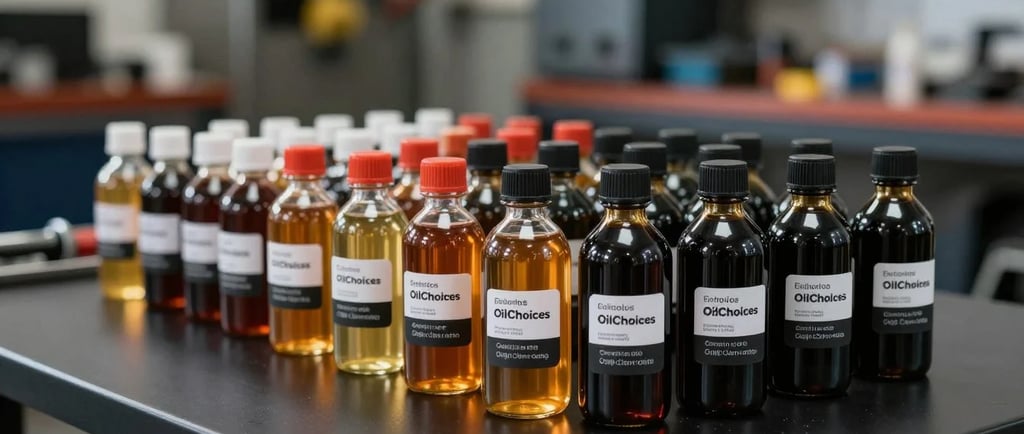
New engine oil is usually amber or light brown. As it moves through the engine, it picks up dirt and darkens. New oil should be translucent and feel like honey. If your oil is dark or black, it's probably been too long since it was changed.
Interpreting the engine oil color chart
An engine oil color chart helps you understand your oil's condition. Here's a quick guide:
Locating the Oil Drain Plug and Filter
After lifting, find the oil drain plug and filter. The oil drain plug is at the engine's bottom. Its spot varies by car model. Check your owner's manual or repair guide for help.
The oil filter is on the engine's top or side. Knowing your car's oil filter type is key. It affects how you take it off and put it back on.
Knowing where and what these parts are makes the oil change easier. Take your time to check the area and plan your steps.
Draining the Old Engine Oil
To keep your engine running smoothly, you need to drain the old oil properly. This process involves several key steps. These steps must be executed carefully to avoid any potential issues or damage to your vehicle.
Positioning the Drain Pan
Before you start draining the oil, it's essential to position the drain pan correctly under the oil drain plug. Make sure the pan is large enough to hold the old oil. Also, place it on a level surface to prevent any spills.
Tip: Refer to your vehicle's manual to find the exact location of the oil drain plug. It can vary between different models.
Removing the Drain Plug
Once the drain pan is in place, you can proceed to remove the drain plug. Use a socket wrench that fits the plug to avoid stripping it. Be prepared for the oil to start draining out quickly.
Managing Oil Flow and Preventing Spills
To manage the oil flow and prevent spills, keep the drain pan directly under the plug as you loosen it. Use a rag to catch any drips as you remove the plug completely. It's also a good idea to have some absorbent material handy in case of any unexpected spills.
Here's a quick reference table to help you understand the process better:
Understanding the condition of your old oil can also provide insights into your engine's health. For instance, checking the oil's color can indicate if it's been properly maintained. A dark or black color might suggest it's time for an oil change, as seen in an engine oil color chart.
Replacing the Oil Filter
Now that you've drained the old engine oil, it's time to replace the oil filter. This step is crucial for maintaining your vehicle's engine health and ensuring it runs smoothly.
Removing the Old Filter
To remove the old oil filter, you'll need to locate it and use the appropriate tool. Most oil filters are removed by hand or with a filter wrench. Be prepared for some oil spillage when the filter is removed.
Locate the oil filter on your vehicle.
Use a filter wrench if the filter is too tight to remove by hand.
Be cautious of spilling oil when removing the filter.
Preparing the New Filter
Before installing the new oil filter, make sure to prepare it properly. This involves lightly lubricating the gasket on the new filter with some fresh oil.
Take the new oil filter and apply a small amount of fresh oil to the gasket.
Check the new filter for any damage or defects.
Installing the New Filter Correctly
Installing the new oil filter correctly is vital to prevent leaks and ensure the filter works effectively.
Place the new filter on the engine and hand tighten it.
Give the filter an additional 1/2 to 3/4 turn to secure it.
By following these steps, you can ensure your vehicle's engine is protected and runs efficiently. Remember, a new oil filter is essential for maintaining the overall health of your engine. Knowing when to change oil color can also help in keeping your engine in good condition.
Refilling with Fresh Motor Oil
Refilling your vehicle with fresh motor oil is key to keeping it healthy. After draining the old oil, you need to put in the right type and amount of new oil. This ensures your engine runs smoothly.
Choosing the right motor oil is crucial for your vehicle's performance and life span. A leading automotive expert notes,
"The right motor oil can improve fuel efficiency, reduce emissions, and protect your engine from wear and tear."
Source: Motor Oil Guide
Checking the Owner Manual for Capacity
Before adding new oil, find out the correct oil capacity for your vehicle. Look in your owner's manual for this info. It will tell you the exact amount and type of oil needed. It's important because too much or too little oil can cause engine problems.
Pouring the Oil
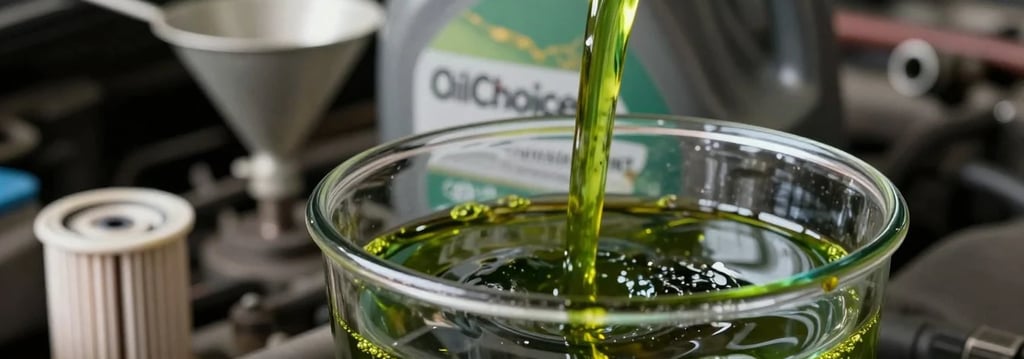
Once you know the correct oil capacity and type, you can pour the new oil into your vehicle. Use a funnel to avoid spills. Pour the oil slowly and carefully to avoid overfilling.
Verifying the Oil Level with the Dipstick
After adding the new oil, check the oil level with the dipstick. Pull out the dipstick, wipe it clean, and put it back in. Then pull it out again to see the level. The oil level should be between the "MIN" and "MAX" marks.
If the oil level is below "MIN", you need to add more oil. If it's above "MAX", you might need to drain some oil.
Checking the oil color can also tell you about its condition. Fresh oil is usually amber or light brown. If the oil looks dark or black, it might be contaminated or degraded. But, this is more important when checking used oil; fresh oil should be light in color.
Tip: Always check your owner's manual for specific instructions on checking the oil level and color for your vehicle.
Post-Change Inspection and System Check
After you've changed the oil, it's important to check your car's engine. This step helps find any problems early on. It prevents bigger issues later.
Checking for Leaks
First, look for leaks around the oil drain plug and filter. Make sure to tighten the drain plug and oil filter properly to avoid leaks. Also, check the oil pan gasket and other parts for damage or wear.
If you see leaks, fix them right away. This simple check can save you from expensive repairs later.
Resetting the Oil Life Monitor
Many cars have an oil life monitor. Resetting this monitor after an oil change is key. It shows the new oil's condition accurately.
To reset the monitor, look in your owner's manual. It usually involves going through the dashboard menu or pressing buttons in a certain order.
Disposing of Used Oil Responsibly
Used oil can't go in the trash because it harms soil and water. Take it to a recycling center or an auto parts store that accepts used oil. Service stations and repair shops also have places for it.
Also, check with local authorities about used oil disposal rules in your area. Proper disposal helps protect the environment.
By following these steps, you keep your car in top shape. It also helps the environment. Remember, regular care is essential for your car's engine to last longer.
Common Mistakes to Avoid During Oil Changes
When you change your oil, there are key mistakes to avoid. These can help your engine last longer and save you money. Knowing these mistakes can keep your car running smoothly.
Overtightening the Drain Plug
Overtightening the drain plug can damage your oil pan. Use a torque wrench to tighten it as your manual says. Over-tightening can cause more harm than under-tightening, so it's crucial to find the right balance.
Using the Wrong Oil Viscosity
Choosing the wrong oil viscosity can hurt your engine. Always check your owner's manual for the right one. The wrong viscosity can lead to decreased fuel efficiency and increased wear on engine components. It also changes the motor oil colour, so watch it after an oil change.
Forgetting the Oil Filter Gasket
Forgetting to lubricate or properly seat the oil filter gasket can cause leaks. Make sure to lubricate the gasket with new oil before installing. Then, hand tighten the filter. This simple step can prevent many problems, including oil leaks that harm your engine's health.
By avoiding these common mistakes, you can have a successful oil change. Regular oil changes, done right, are key to keeping your car running well and lasting longer.
Troubleshooting Unusual Oil Conditions
Unusual oil conditions can signal a big problem with your engine. Engine oil is key to your engine's health and longevity. It's important to watch its condition closely for early signs of trouble.
What color is oil when contaminated with coolant?
Engine oil mixed with coolant looks milky or frothy. This happens when coolant and oil mix, harming your engine. Seeing this means you need to fix it fast to avoid engine damage.
Identifying metal shavings in the oil
Metal shavings in engine oil mean serious wear inside. To check, pour a bit of oil on a magnet. If metal bits stick to it, your engine parts are wearing out. You should get a mechanic's help right away.
When to seek professional mechanical help
If your engine oil looks unusual, like coolant mix or metal shavings, get help. A mechanic can find the problem and fix it.
Watching your engine oil closely can help spot problems early. Being proactive can make your engine last longer and keep your car running well.
Conclusion
Knowing about motor oil colour is key to keeping your car's engine in top shape. The colour of your engine oil tells you a lot about its condition. It shows if it's time for a new batch.
Regular oil changes are vital for your engine's long life. This guide has shown you how to do it right. By following these steps, you're keeping your engine healthy and avoiding problems.
Watching your motor oil colour is a simple way to check on your engine's health. Stick to the recommended oil change schedule. This will save you money and keep your car running well for a long time.
FAQ
What color should car oil be when it is fresh?
Fresh motor oil, like Mobil 1 or Castrol, should look like honey. It's a translucent amber color. This clear, golden-brown color means your engine is clean.
How do I interpret an engine oil color chart to monitor my vehicle's health?
An engine oil color chart shows how your oil is doing. Amber means it's new. Dark brown shows it's getting old. Thick black means it's dirty and needs to be changed.
When to change oil color becomes a concern for the driver?
Change your oil when it turns from dark brown to black. Dark oil is okay in some engines. But in others, it means the oil needs to be replaced.
How do I select the right oil filter and oil type for my car?
Check your owner’s manual for the right viscosity grade. Use a high-quality synthetic oil with a premium filter. This ensures your engine runs well.
What is the safest way to lift my vehicle for an oil change?
Use a heavy-duty hydraulic floor jack to lift the front end. Secure it with jack stands right away. Always work on a flat, level surface and engage the parking brake.
What are the most common mistakes to avoid during the draining process?
Don't over-tighten the drain plug. It can damage your oil pan. Also, make sure the old oil filter gasket is removed before installing a new one.
What color is oil if there is a cooling system leak?
If your oil looks milky, frothy, or "chocolate milkshake", it's bad. This means coolant has mixed with the oil. It's a sign of a serious engine problem.
How should I dispose of my used motor oil responsibly?
Don't pour used oil down a storm drain or in the trash. Take it to a place like AutoZone or Advance Auto Parts. They offer free oil recycling services.
Why is it important to lubricate the new oil filter before installation?
Smear a bit of clean oil on the rubber gasket of a new Royal Purple or Bosch filter. It helps create a tight seal and prevents damage during the next oil change.
